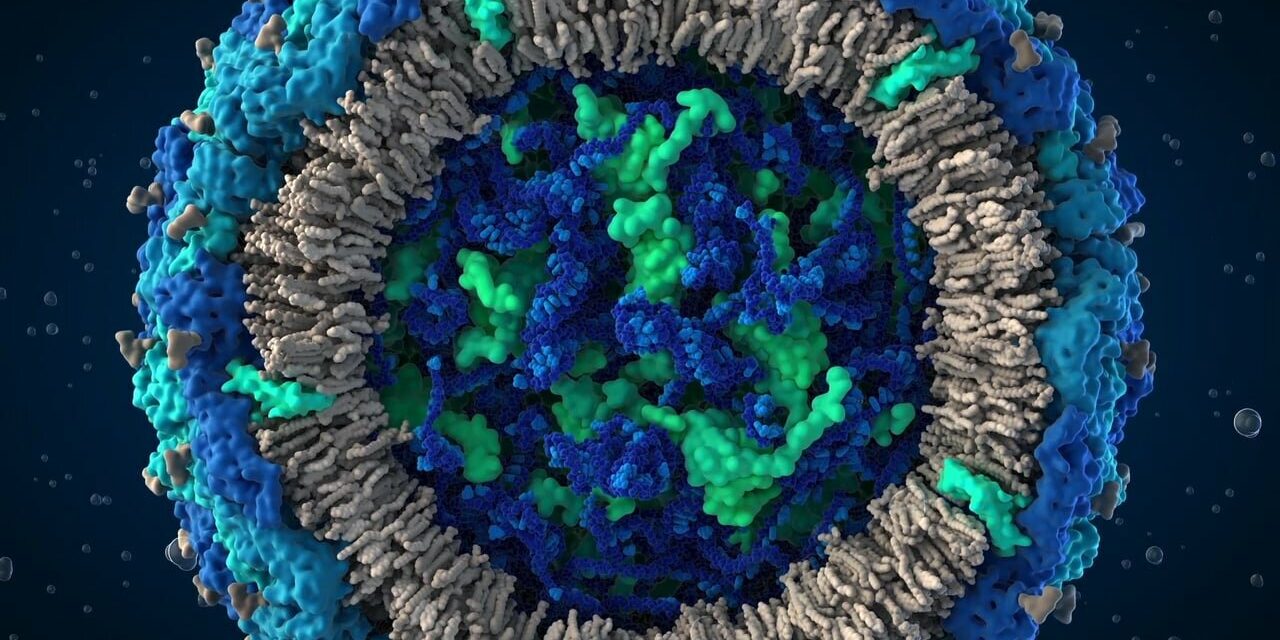
Mosquitoes strike back! Anybody spending a reasonable amount of time on the internet will have seen stories about Zika virus flooding the news. Until recently, mosquitoes were globally associated with malaria, but with Zika infections exceeding 2 million cases worldwide, mosquitoes secured their place in the media hall of infamy once again. Considering the current rate of spread of Zika virus and the upcoming 2016 Summer Olympics in Brazil, it has become an international problem that continues to feature in the news and in many scientific journals.
This article was inspired by an amazing SciBar talk delivered by Dr Lee Haines (a vector biologist from Liverpool School of Tropical Medicine), called ‘ZIKA VIRUS: Separating fact from fiction’ in which she highlighted the issues surrounding the current Zika virus outbreak, and what are the research questions relating to how the virus affects humans.
What do you need to know about Zika virus?

Yellow fever mosquito (adult female)
Zika virus is a member of Flaviviridae family, which means that it is closely related to mosquito-borne viruses that cause diseases such as Yellow fever, Dengue fever, and West Nile Virus. Zika transmission to humans has been reported to happen in several ways; infected mosquito bite, sexual intercourse, blood transfusion, from mother-to-child (via placenta), and possibly even through monkey bites! However, the most prevalent transmission route is the bite of the daytime-active female mosquito – Aedes aegypti, she bites during the heat of the day when bite protection is particularly difficult as people are not underneath mosquito nets. Nevertheless, the elimination of breeding sites has been shown to be an efficacious strategy for disease control, as A. aegypti only fly as far as 400 meters away from breeding spots.
The history of Zika virus

Sentinel rhesus monkeys.
The Zika virus was first identified in the Ziika Forest in Uganda in 1947 during routine surveillance for yellow fever in sentinel rhesus monkeys. Between 1947 and 2007, no Zika outbreaks were reported, although there were 14 people who contracted Zika infection during this time. As the virus has been virtually absent for the past 60 years, the details underlying early expansion of Zika virus remain unknown. There could have been more human cases, but due to the very mild, and often asymptomatic onset of disease, cases likely remained unreported. More recent serological studies in countries like Egypt, Malaysia, and Uganda have shown that the virus has persisted in these areas for a long time, and infections were more frequent than initially thought.
Problems started in 2007 on Yap Island, in the Federated States of Micronesia, where an outbreak of 185 Zika cases (2.5% of the population) was reported. Between 2013 and 2014 the next outbreak happened in French Polynesia and 11% of the population (28,000 people) were infected. By 2015, Zika hit Brazil, where an even more alarming number of people started having unusual symptoms (at the time it was not known that these were all due to the Zika virus). In March 2015, Brazil notified the WHO (World Health Organisation) about an explosive epidemic of “an unusual dengue-like illness”, with over 7000 cases reported. At that time, Zika virus was not suspected to cause an outbreak of this scale and thus, no specific tests for it were performed. It was not until two months later that Brazil’s National Reference Laboratory officially confirmed the presence of Zika virus in the country. In October 2015, the Brazilian Ministry of Health admitted the unprecedented increase in possible babies with suspected microcephaly (almost 6500), which is a known congenital abnormality that can be associated with exposure to a virus during pregnancy.
Is the Zika virus dangerous?

The increase in a medical condition can only be determined if the normal incidence was established before the increase.
Approximately 80% of people infected with Zika virus are asymptomatic, however in other 20% signs of infection appear 3-12 days after the infective mosquito bite and symptoms persist for 2-7 days. The symptoms, are mild, non-specific, and usually similar to dengue fever, thus making it difficult to diagnose without serological or molecular diagnostics. The most common signs include fever, rash, joint pain and conjunctivitis (red eyes). Zika virus infection is not typically lethal and to date, few deaths have resulted from Zika alone. What makes Zika so dangerous is that with multiple types of transmission, asymptomatic presentation, and highly transient viraemia in the blood, it is very difficult to track. Fortunately, recent research has confirmed that higher virus titres persist in urine (2-3 weeks) and semen (at least 2 months post infection), which means now tests can be developed to improve patient diagnosis.
The truth behind microcephaly
On February 1st, the WHO declared microcephaly and other neurological disorders linked to Zika as a health emergency of international concern. Following this, on April 13th, the CDC (Centre of Disease Control) concluded that Zika virus causes adverse birth outcomes such as microcephaly. New research has revealed that microcephaly may only be the tip of an iceberg, and that other neurological disorders may also be triggered by Zika virus. Microcephaly has a multitude of other causes, primarily toxoplasmosis and congenital cytomegalovirus infections, when contracted by a mother during pregnancy. Recent health surveillance in Brazil has revealed that there are now 1326 confirmed cases of microcephaly with another 3433 suspected cases still under investigation. Amidst the surge in microcephalic babies, still a plaguing question remains: what is the normal prevalence of microcephaly in Brazil prior to the Zika outbreak? Of the total number of microcephaly cases in Brazil, less than 30% were reported Zika positive. Some sources have stated that the risk of having a microcephalic child when infected with Zika during pregnancy now varies between 1 and 40.
Other neurological disorders
Guillain-Barré syndrome (GBS) is a complication that some patients get following an infection. It is a rare, autoimmune disorder of the nervous system and causes progressive muscle weakness which can, in severe cases, lead to life-threatening paralysis. The condition can persist for months or even years, but fortunately most people fully recover. According to U.S National Library of Medicine the incidence is estimated to be 0.01% of the population. Increased incidences of Zika-associated GBS have now been reported in 13 Zika-endemic countries. Colombia has already reported 242 cases of GBS, and all patients have tested positive for Zika virus. Similar numbers have been observed in Venezuela, El Salvador and Brazil. Worryingly, new emerging adult cases have shown that Zika virus may cause a suite of rare neurological conditions like acute myelitis, meningoencephalitis and the autoimmune disorder acute disseminated encephalomyelitis (ADEM).
The impact of Zika virus

All Countries and Territories with Active Zika Virus Transmission as of May, 12th 2016.
Zika virus has had the biggest impact on three countries: Brazil (1,482,701 suspected cases), Colombia (65,338) and Venezuela (16,942). With the scale of the Brazilian outbreak, there is the threat of a negative economic impact as the income from tourism is predicted to fall drastically. Moreover, the 2016 Summer Olympics pose a very real threat of spreading the virus across the globe, particularly to countries with inadequate healthcare infrastructure to handle such an outbreak (i.e. Nigeria, Indonesia, the Congo). Vital research is now required to help minimise these risks. Currently, scientists are focused on creating vaccines, understanding how long the virus can persist, the role of asymptomatic patients in transmission, developing and improving new vector control tools, defining what mosquito species can transmit Zika and understanding the many neurological impacts the virus may cause in both babies and adults.
The data used in the article was presented during a talk delivered by Dr Lee Haines, 19th of April, 2016. (Also available at: WHO, CDC, PAHO)