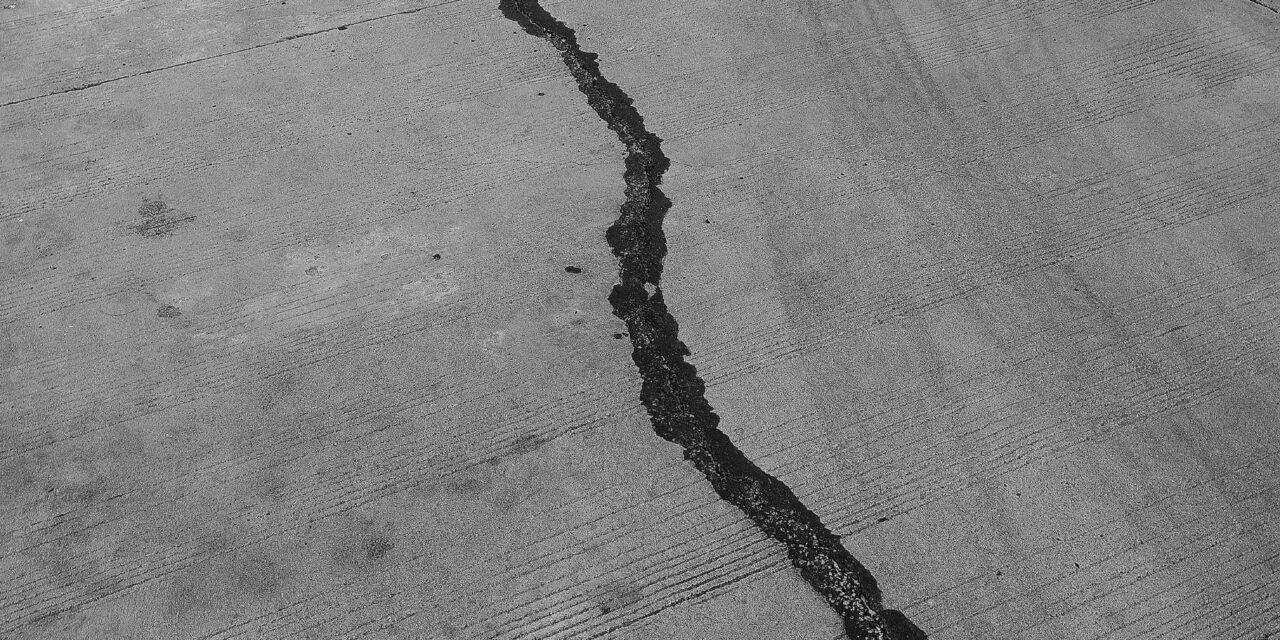
The 1990s was a particularly frightening time to live in the Los Angeles area. The region had to face the reality that its infrastructure – particularly its housing developments – was extremely vulnerable to the threat of seismic shifts. Earthquakes happen and there are methods to lessen the damage to property and people.
There are a number of ways to retrofit buildings to ensure that they are more capable of withstanding the potential structural disruption caused by earthquakes. Soft story retrofitting is the act of revamping of the area where there is a high potential threat of earthquake, to strengthen the structural integrity of the building. This includes seismic retrofitting of the exterior walls and sometimes the main interior walls using seismic and engineering friendly materials.
1. The Threat is Not Going Anywhere
When the forces of the Pacific and North American tectonic plates are squeezed against each other, creating intense, pressure, and friction, there is a build up of energy in the earth which is then released with a violent shaking of the earth. This causes a quake. Earthquakes occur within other tectonic plate boundaries also, but it’s a constant threat in a number of parts of the US, particularly on the west coast of the country.
2. Prediction, Protection and Preparation
The three Ps of earthquakes are prediction, protection and preparation. While the specialists are able to handle the first one, the other two can be addressed for homeowners and housing developers by with a soft story retrofit – the most effective way to limit any damage an earthquake would cause.
3. Prevention is Better Than Cure
According to geologists, there is nothing we can do to prevent earthquakes. They occur when the stresses on the earth’s crust exceed the strength of the rock. Those stresses can be created by the earth’s movement or by tectonic forces, both of which are caused by pressure (or lack of pressure) that changes with the movement of either the lava flows or the tectonic plates on the earth’s surface. Earthquakes happen with or without human intervention.
All we can do is look out for ourselves and, besides literally moving to a different area altogether, this methods like this ensure that we can keep our property and people as safe as possible.
4. If Not Now, When?
Although it’s not fair to call earthquakes a ticking time bomb (as it just raises the anxiety levels for those already stressed out by the situation, it’s fair to say that now is always going to be the best time to address the issue. For those that own or build homes that are known to be in earthquake zones, it’s really worth prioritising, because these things are so unpredictable. We can go through a whole list of different ways to reduce the hazards that come with earthquakes and areas where a lot of seismic activity takes place, but it’s a case of ‘when’ they will happen next, rather than ‘if’. The sooner you do all you can do to prevent the damage, the sooner you will feel more secure.