Poll tax invoked as packed tenants meeting say changes are “unacceptable.” Cameron insists they are “fair”
Tenants of Dingle held a meeting to combat the bedroom tax this Monday, February, 11 at The Florrie on Mill Street.
The meeting focused on social injustice that will result from the benefit cut, which is planned to take effect in April this year, and discussed methods for fighting back against the change.
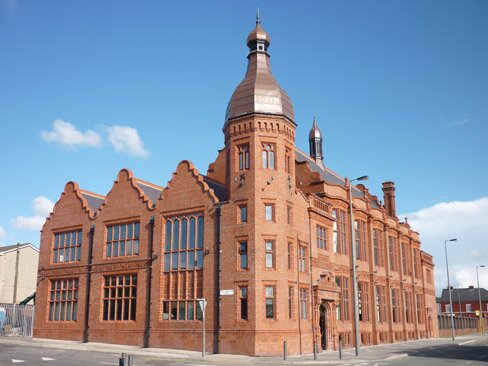
A room of The Florrie, a heritage building restored thanks to local community campaigns, was over capacity due to the meeting’s high attendance.
Paul, organiser of Combat the Bedroom Tax, gave a presentation which summarized the impact that the spare bedroom tax will have on those affected.
Various organisers of the campaign and local tenants then had the opportunity to speak, voice their opinions and propose directions of action.
From April, 670,000 “under-occupying” tenants in social housing will be affected by a benefit cut across the country, including between 10,000 and 12,000 in Liverpool alone. For those with one spare bedroom the benefit will be reduced by 14%, but those who have two or above, the majority, will suffer a 25% cut.
The Council Tax Benefit will simultaneously end in April 2013, leaving many with over £100 extra costs per year.
“Fight or lose your homes”
Campaign members compared the bedroom tax to the poll tax, seen as a fight to criminalise the working class and neglect communities.
Groups experiencing the most impact will include the ill and disabled; military families; the bereaved; shared parenting and foster parents. Research suggests that 72% of those affected have disabilities and health problems, and 42% are already struggling financially. One tenant described it as a great blow to an already difficult situation, which they labelled “heat or eat”.
The government’s “one-sized” policy is expected especially affect the North, as the housing stock has been built for the past’s larger industrial families, with a particular lack of affordable housing for smaller groups.
One tenant at the meeting, a widow who lives alone, is unable to find a one-bedroom house. As she simply put: “there aren’t any.”
The presentation highlighted the amount of empty properties in the city; 11,589, equal to 5.4% of the total housing stock.
Angered members of the community said that the impact it will have on tenants in Dingle, of whom a majority are hovering on or over the poverty line, was “not acceptable”. They highlighted the consequences the tax will have on future generations, and that for many there is already uncertainty over a future stable home.
Celia Ralph, a member of campaigns including Liverpool Against Cuts and Keep the NHS Public, called tenants to build an organization that “flattens” the tax. She suggested bringing together the community, calling upon legal experts and unions, and to “fight or lose your home.”
The presentation also referenced the Kirby rent strike of 1972, and the current campaign in Ireland against the house water tax, as examples of how the community can fight back. The residents particularly called for a response from councillors, and a demand for them to “start helping who they represent.”
Similar meetings continue to be held across Liverpool, including in Granby at The Greenhouse Project at 7pm Thursday February 28, and at St. Bride’s Church on Monday March 4. Weekly meetings have been proposed in Dingle, starting Tuesday February 9, once again at The Florrie. The campaign is calling all Liverpool residents to protest at the town hall at 4pm on March 6, the council budget day.
Cameron: changes are “fair”
The government insists the changes are required to control the housing benefit bill and that many social housing tenants are “over-occupying” their homes
In reply to Labour leader Ed Miliband in the commons Prime Minister David Cameron said: “All the time Labour was in government, if you were in a private rented sector home and you were in receipt of housing benefit you did not get any benefit for empty rooms. It is only fair we treat people in social housing the same way.
“If you think that we are spending too much on housing benefit, you just said the bill is going up, why do you oppose each and every attempt we make to get the welfare bill under control?
“The fact is the public can see we are on the side of people who work hard and want to do the right thing. All you can ever do is spend more money.”