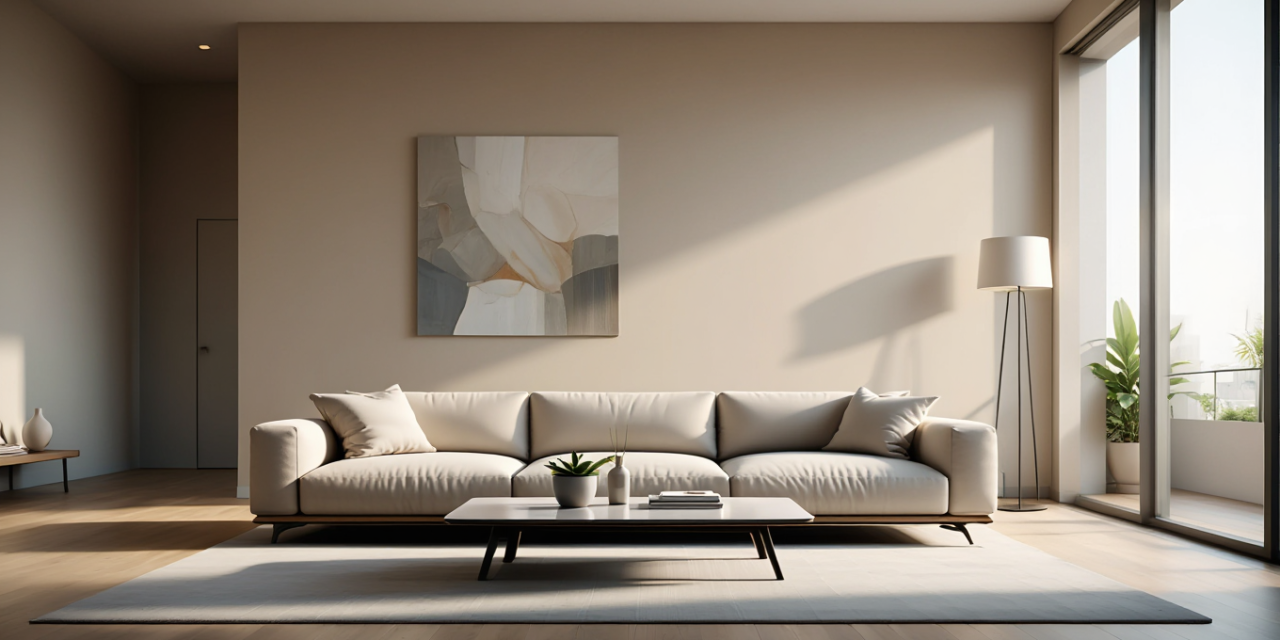
Aligning a practical interior design with well curated arts and culture is necessary because it addresses the “Performance Gap” in modern business—the space between a building that simply functions and one that actually produces results. Experts in interior design understand that, in a competitive market like London, where real estate is one of the highest overheads, businesses can no longer afford for their space to be “neutral.”
1. The Hyper-Local Connection: Preserving Culture through Design
In London, practical design has begun to favour context over generic minimalism. An experienced London Interior Designer, will leverage design that intentionally preserves and champions local art, culture, and materials. For example, they can infuse specific literal and abstract characteristics of London environment.
That’s isn’t just a logistics choice—it’s a cultural strategy that moves interior design from being a decorative aspect to cultural stewardship. By understanding the impact of spatial authenticity, experienced interior designers embed local “maker culture” into every detail. Victorian textures meet contemporary glazing, and handcrafted woodwork coexists with bespoke cabinetry.
- Local materials reinforce a sense of place
- Artisanal touches create story-driven interiors
- Spaces resonate with history without compromising function
The business impact is tangible: spaces that feel authentic, bespoke, and deeply connected to their environment command higher property value and strengthen brand identity in a competitive London market.
2. Art as Functional Wayfinding and Spatial Definition
Art in London isn’t purely decorative, it’s practical. The use of art as a navigational tool in large offices or multi-use residences, is strategic and creative. It means using visual landmarks or distinct color zones, to help people understand where they are and where they need to go without having to rely solely on traditional signs or arrows.
However, the wisdom of subtly directing movement while preserving openness is critical.
- Visual cues replace obstructive partitions
- Cultural markers define collaboration and focus zones
- Environmental psychology confirms improved spatial orientation
Investors and executives recognize the payoff: increased operational efficiency, intuitive navigation, and interiors that communicate brand values without words. Art becomes a tool for both function and storytelling.
3. Enriched Environments: Productivity Meets Culture
Artistic and culture infused interior design is a crucial factor in unlocking the ROI of human capital, transforming spaces from mere workstations into environments that inspire, engage, and sustain employee performance. Experts leverage interior design is a form of preventative healthcare and performance coaching for a business.
London offices are high-pressure arenas, and practical interior design focuses on Evidence-Based Design (EBD) which shifts the conversation from “what the CEO likes” to “what the employees need to succeed.” Studies from the University of Exeter show employees in curated environments can see productivity rises of 17–32%, particularly when allowed to participate in selecting culturally meaningful artwork.
- Human-centric design reduces stress and burnout
- Personalized cultural elements reinforce engagement
- Investment in space translates to human capital returns
For businesses, this means refurbishments stop being cost centers and start functioning as productivity engines, embedding culture as a driver of operational success.
4. Diversity and Inclusive Culture Through Spatial Artistry
Modern London is global, and design must reflect that. Practical interiors now prioritize neuro-aesthetic approaches, where art and layout accommodate diverse cognitive needs. Quiet zones feature subtle cultural textures; collaborative hubs showcase vibrant local expression.
- Supports neurodiverse teams without isolating them
- Reinforces inclusive company culture
- Modern interior design is the primary way a business fulfills Environmental, Social, and Governance (ESG) aspects.
Strategically inclusive designs ensures your business space remains “socially compliant” and globally competitive.
In essence, in London, the interaction of art and culture within interior design is not a cosmetic layer; it is a geographical and psychological anchor. Because London is a city defined by the juxtaposition of extreme history (Victorian/Georgian) and cutting-edge globalism, design acts as the “translator” between these two worlds. With expert interior designers, this interaction generally achieves three things: Contextual Authenticity, Sensory Enrichment, and Competitive Differentiation.